
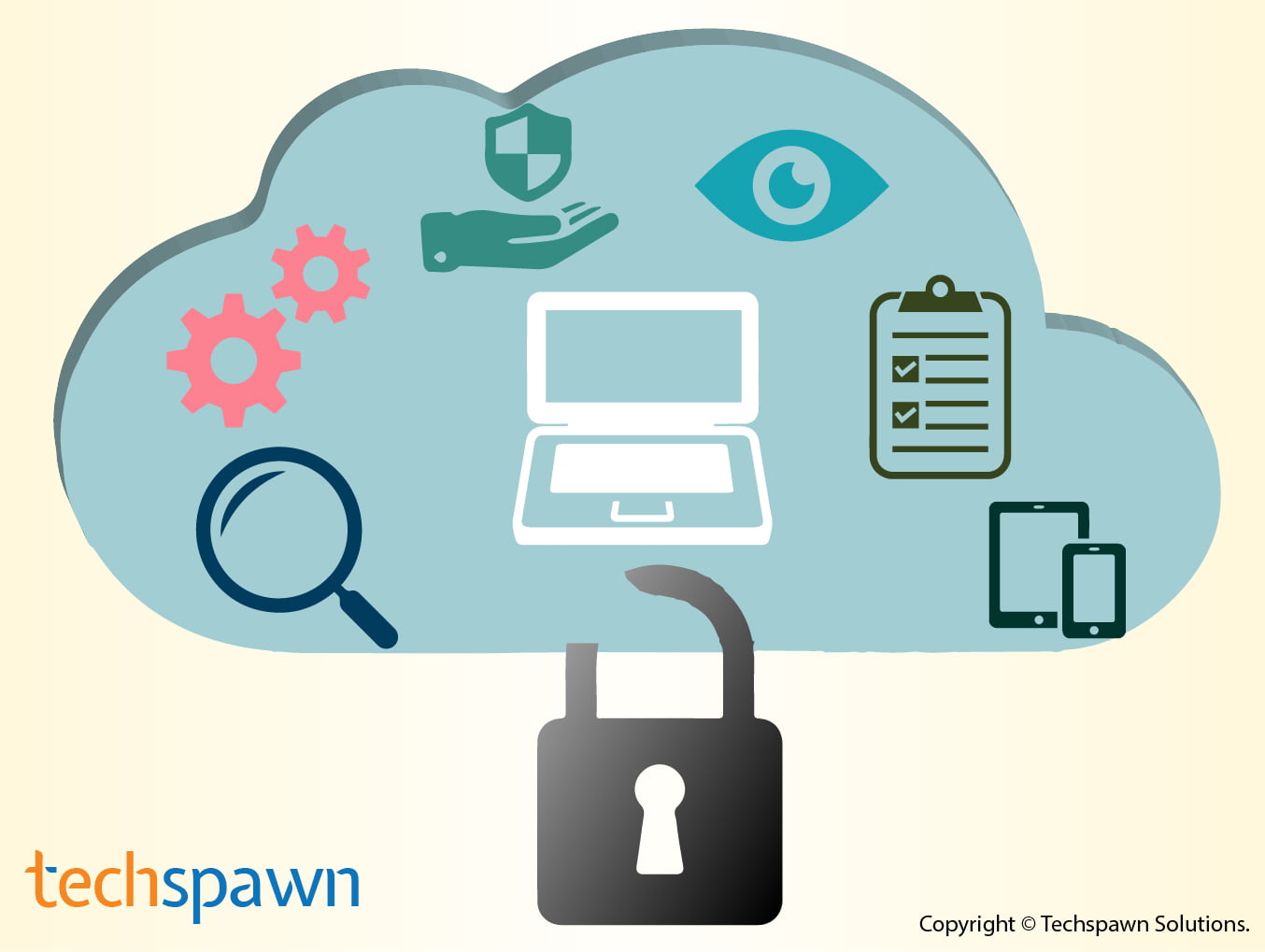
The use of cloud computing is soaring. Data security is better in public cloud infrastructures than in their own corporate data centers. More organizations are moving sensitive business processes to the cloud.
After initially seeing technology as a threat, organizations are now adopting technology to manage threats and achieve competitive advantages. Many organizations no longer view cyber security as a barrier to change or as an IT cost, but instead how cyber security solutions can facilitate business growth, create market advantages, and build brand trust.
Cyber security has assumed a role in the foundation of business strategy instead of an add-on to an existing plan or product. Because of this, the value of cyber security will only continue to increase as more organizations see what was once viewed as a risk being turned into possible solutions.
The overarching problem here is trust. By improving trust, people and businesses will be more likely to embrace the benefits of cloud computing, such as lower costs and improved scalability and deployment times. The thing is, this level of confidence can only be built if the type of data is taken into consideration when planning any uptake of cloud.
Many users may not understand that they need to select a cloud service provider that has good governance over the processing of personal data; and those that do know this may have difficulty knowing how to verify that good governance is in place. This situation can lead to increased risks for the protection of personal data.
As individuals are also expected to assess the benefits, risks and implications for privacy when considering a cloud computing service. And, let’s not forget to take responsibility for keeping our personal data safe, for example by choosing strong passwords and by double-checking that the cloud provider we choose has adopted appropriate security measures and remains transparent about its data processing practices.